
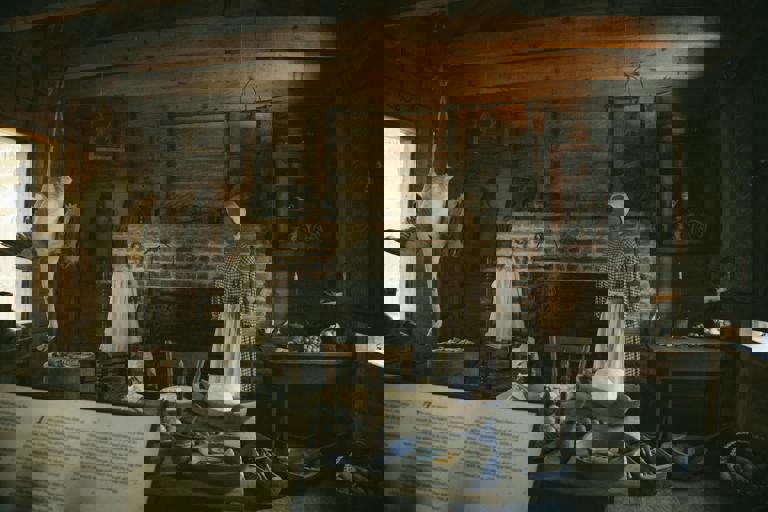
The city’s popular heritage museum has officially reopened its doors to the public after an exciting and unexpected discovery in its basement archive last spring. During planned renovations, staff uncovered a cache of rare Indigenous artifacts, some believed to predate European contact by several centuries. The finding prompted a temporary closure as experts and community members assessed the cultural and historical significance of the objects, now considered a profoundly important addition to the museum’s collection.
The discovery was made as curators catalogued items long stored in the archives, intending only to improve inventory and safety standards. "We weren't expecting to find anything this significant," said lead archivist Jessica Morrow. Her team identified several intricately carved stone tools, pottery shards, and ceremonial objects among the artifacts. Each item was carefully documented and its context preserved, reflecting the team’s growing awareness of the collection’s potential importance.
Word of the find quickly spread among museum professionals and the Indigenous communities whose ancestors may have crafted the objects. Leaders from nearby Nations were invited to review the artifacts and participate in discussions about their origin and meaning. Chief Emily Standing Bear of the Piikani Nation described the collaboration as "a critical step toward reclaiming our shared history and ensuring its respectful presentation."
In response to the discovery, museum administrators paused the ongoing renovation and shut the facility for several months. This measure allowed for comprehensive consultations with Indigenous scholars, archaeologists, and cultural advisors. "Our top priority became handling the artifacts with sensitivity and honoring Indigenous protocols," explained museum director Stephen Russo. This process shaped new museum policies regarding artifact care and exhibition.
Archaeologists called in to examine the objects believe that several items date back at least 500 years, offering rare insights into the daily life and spiritual practices of pre-colonial Indigenous peoples. Dr. Lorraine Keeping, an expert in Indigenous archaeology, noted the quality and preservation of the artifacts. "It’s unusual to find such an intact and diversified collection, especially in an urban museum setting," she remarked.
Beyond their historical value, the artifacts have sparked important conversations regarding museum ethics and the stewardship of Indigenous heritage. Representatives from various local communities emphasized the necessity of consent and shared authority over how the artifacts are displayed and interpreted. The museum agreed to a co-management framework, ensuring Indigenous voices would guide both educational efforts and decisions about the collection's future.
The public reopening features a new permanent exhibit called "Ancient Voices: Artifacts of Our First Peoples," co-curated by museum specialists and representatives from the region’s Nations. The display uses detailed descriptions, audio narratives, and digital technology to tell the story of each object, emphasizing both scientific and cultural perspectives. Visitors can access interactive stations where they hear directly from Elders and community members about the ongoing significance of these artifacts.
Interest in the museum’s reopening has been strong, with attendance numbers exceeding pre-renovation figures in the first week. Educators have already begun arranging field trips to the new exhibit, seeing it as an invaluable teaching resource. "It’s an incredible way to connect youth with the history that’s shaped our land—and to see Indigenous traditions represented with accuracy and respect," said local teacher Angela Ma.
The museum has also announced workshops and educational events designed to foster deeper understanding of Indigenous heritage. These include hands-on artifact analysis sessions, storytelling circles led by Elders, and lectures on local history. By inviting the public into these dialogues, organizers hope to inspire reconciliation, respect, and a greater appreciation for the diverse cultures that have long thrived in the region.
With its commitment to ethical collaboration and public education, the museum’s reopening marks a significant milestone in the relationship between cultural institutions and Indigenous communities. Local leaders hope the initiative sets a precedent for museums nationwide. "This partnership shows what’s possible when museums listen and learn from the original stewards of these lands," said Chief Standing Bear. Many are optimistic that this new chapter will strengthen bonds and promote shared stewardship into the future.