
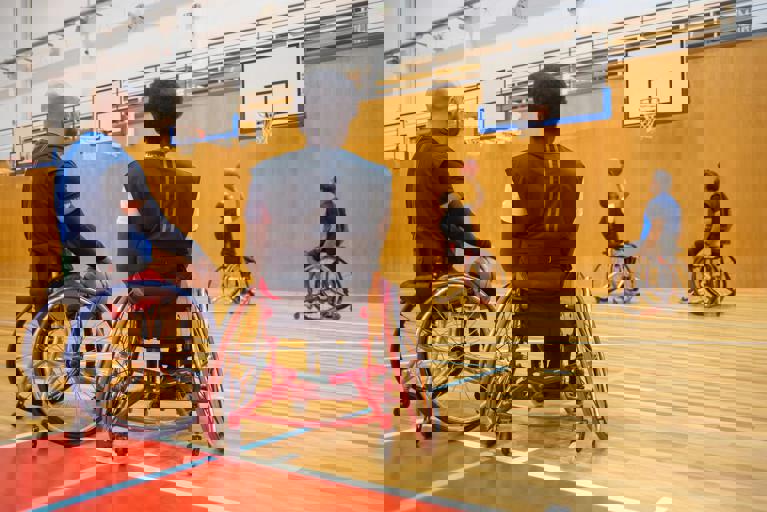
Wheelchair basketball in Canada is experiencing a remarkable transformation as youth participation surges at unprecedented rates. The recent increase in young athletes joining the sport has prompted the Wheelchair Basketball League to announce a significant expansion. This move is poised to reshape the landscape of adaptive sports nationally, offering new opportunities for athletic development and inclusivity across the country. Demand for new teams and venues is at an all-time high.
Recent statistics gathered by the Canadian Wheelchair Basketball Association indicate a near 40% rise in youth enrollment over the last three years. This extraordinary growth reflects not only greater interest among young athletes with disabilities but also heightened awareness of the sport through social media campaigns and community outreach programs. Many attribute this surge to the increased visibility of wheelchair basketball during international competitions.
According to league officials, the sudden influx of junior players has challenged the organization’s infrastructure. "We're thrilled to see so many young people taking up wheelchair basketball," said league president Marie-Thérèse Halliday. "The challenge now is ensuring that we have enough teams and appropriate venues to support their ambitions. Expansion is necessary not just for logistics, but for sustaining the enthusiasm we've seen among youth players."
In response, the league will add twelve new youth teams across several provinces, with the goal of providing wider geographic access to competitive play. Organizers are working diligently to secure additional funding and sponsorships to equip these new teams. Partnerships with local schools and community organizations are also being forged, aiming to integrate wheelchair basketball programs into existing youth athletic offerings, making the sport even more accessible.
The expansion has spurred the identification and renovation of multiple sports facilities to accommodate wheelchair basketball. Municipalities are actively investing in the modification of gymnasiums and community centers, including accessible changing rooms, specialized flooring, and adaptive seating. Such infrastructural updates are crucial to ensuring inclusive and safe environments for all athletes, fostering a sense of belonging and equality within the sporting community.
Parents of young athletes have voiced their support for the league’s growth, emphasizing its positive effects on their children’s physical and mental health. Angela Wright, whose son recently joined a junior team, shared, "It’s made a world of difference for his confidence and social life. He’s made new friendships and discovered abilities he never knew he had. The league’s expansion will give even more kids that chance."
Coaches echo these sentiments, observing marked improvements in fitness, teamwork, and self-esteem among participants. Veteran coach Leonard Tseng noted, "The skills these kids learn extend far beyond the basketball court. They gain leadership, perseverance, and a sense of community that benefits every aspect of their lives. The expansion will only amplify these positive outcomes, reaching kids who might otherwise be left out."
The Wheelchair Basketball League’s expansion coincides with a nationwide push to make sports more inclusive. Government grants and private sponsors have played a pivotal role by providing financial backing for new equipment, travel allowances, and facility upgrades. As a result, economic barriers are being reduced, allowing a broader cross-section of Canadian youth to participate in this fast-growing sport.
This surge in youth participation is already having ripple effects. Wheelchair basketball tournaments are drawing larger and more diverse crowds, creating opportunities for public education on adaptive athletics. Media coverage has increased, highlighting the achievements of junior athletes and inspiring others to explore the sport. The expanded league is poised to nurture future stars who could represent Canada on international stages.
Advocates for accessible sports view the league’s responsiveness as a model for other adaptive athletic programs. According to advocacy group Paralympic Prospects, “Rapid adaptation to growth is essential for long-term sustainability. The Wheelchair Basketball League’s approach demonstrates how sports organizations can build vibrant, inclusive communities by listening to young athletes and acting quickly to meet their needs.”
Looking forward, the league is optimistic about sustained growth. Plans are underway for coach training, equipment upgrades, and additional youth clinics across Canada. While challenges remain, organizational leaders believe the expansion will ultimately create stronger, more resilient youth communities. As wheelchair basketball continues to thrive, it stands as a testament to the power of inclusion, perseverance, and the unifying spirit of Canadian sports.